

Let’s Talk about Why Local Doesn’t Always Mean Affordable (and Why That’s Okay!)
Plus what else is on our radar this week.

Hi there!
Have you ever fallen in love with something from a local brand - then checked the price and quietly thought, “Wait… since when did it get this mahal?” Same. 🙈 This week, I wanted to unpack that feeling - not to question our makers, but to understand the system. Because maybe what we are seeing isn’t just higher prices, but a local creative scene finally learning to value itself.
Let’s get into it 👇!
- Jessie at Basically Borrowed

Yes, local is getting pricier, and that may be a good sign 😮
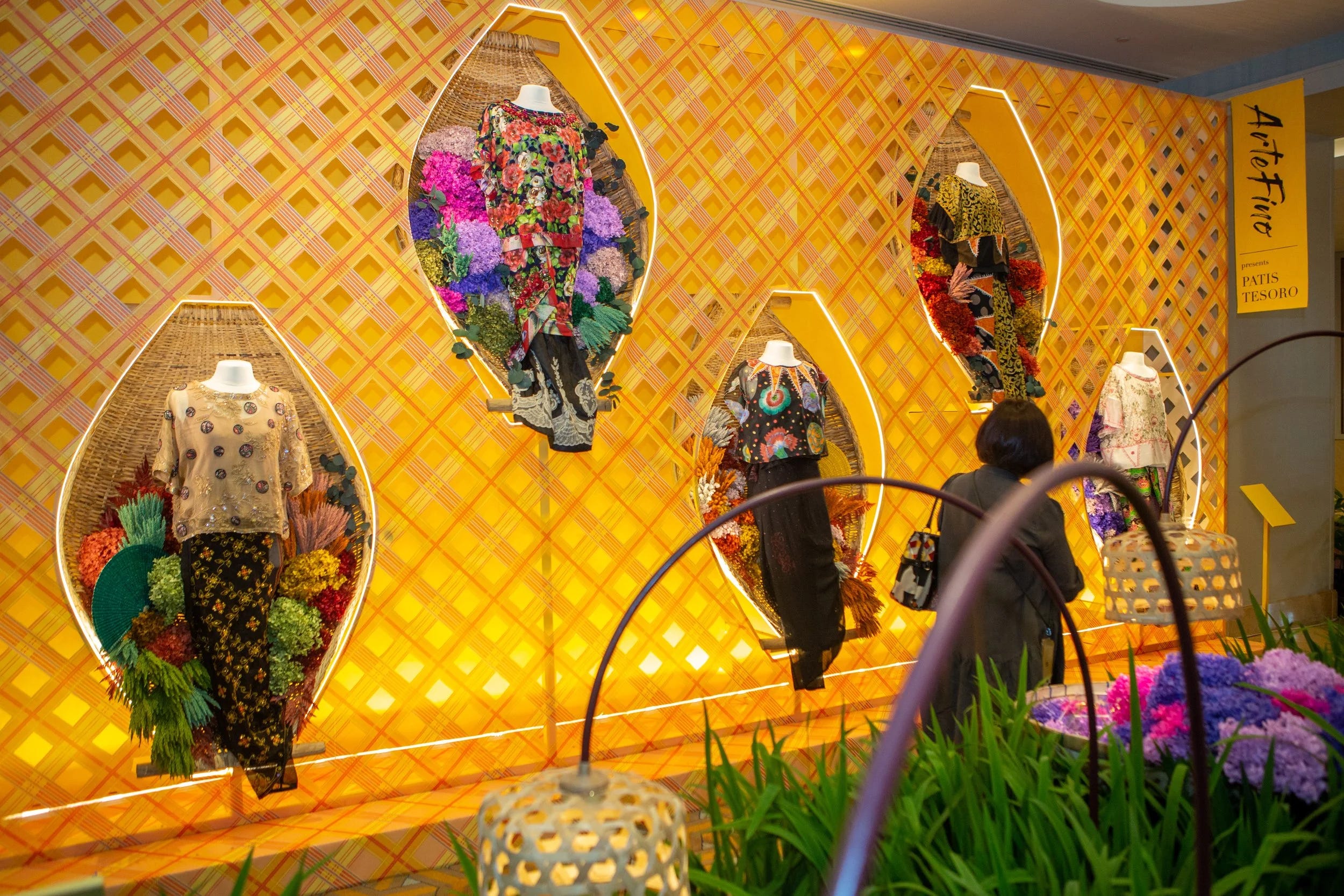
(Photo credit: Artefino Festival via artplus.ph)
We’ve all probably had this moment before: you are scrolling through IG or wandering around a weekend bazaar when something catches your eye - a dress with intricate details, a colorful bag that has the potential to brighten up your whole wardrobe, or maybe a pair of sandals crafted from local leather. You smile, proud that it’s from a Filipino brand, until you glance at the price tag and pause. It’s higher than you expected. You hesitate. You want to support local, but then you catch yourself thinking: Grabe, I remember the prices were different just a few years ago.
That quiet thought has been echoing louder lately. A recent Art Plus Magazine essay struck a chord online, suggesting that “local” might be getting “too costly even for the very locals it’s meant to serve.” The post quickly made rounds on Instagram, resonating with many Filipinos who love local creativity and craftsmanship yet feel increasingly priced out of it. Beneath that conversation - which sometimes can escalate into a heated debate - lies a bigger story about what it means to value design, culture, and fair labor in a country where income gaps remain wide.
On one side is the everyday reality: we all want value for money, and affordability matters especially in a market where purchasing power remains weak. The World Bank estimates that the Philippines’ top 1% of earners take home 17% of national income, more than the total earnings of the bottom 50% of the population - one of the widest gaps in Asia. For many Filipinos, that means less room to spend on premium goods, no matter how well-made. Meanwhile, on the other side are small indie brands trying to stay alive - and behind them, creators and makers trying to make a living - in a system stacked against them. A recent BCG survey of 3,000 MSMEs found that high operational costs and limited access to financing remain their biggest barriers. Add rising material prices (higher if order quantity is low,) fair-wage commitments, and steep rent & utilities - it’s clear why most local designers can’t compete on price with global fast-fashion giants. “A huge part of a designer brand’s cost goes into development - the time, the people, the trial and error,” a designer friend recently shared with me. “Those are the hidden costs you don’t immediately see or get paid back.”
Beyond the finances, maybe there’s another dimension to look at this. What if the higher prices aren’t just about cost, but about confidence? A few years ago, many local labels were leaning on “affordable” as their main selling point. But over the years, more are beginning to invest in original design, small-batch production, and ethical labor - which by all means are encouraging signs of the market maturing. Take ANTHILL for example: their handwoven jackets or dresses can go for P7,000 and up, not because they are catering only to the elite, but because each piece supports a network of weavers across the country, with fair pay and cultural preservation built into the price. In a way, those price tags tell a story that Filipino craftsmanship should deserve the same - if not more - respect we give to contemporary or artisanal brands abroad. When a label like that prices confidently, it’s inviting us to see local creativity as equal in value, rather than a cheaper alternative.
It goes without saying that confidence works both ways. For local brands to earn that trust, transparency is essential. Consumers deserve to understand what goes into their P8,000 dress purchase - what materials were used, who made it, how the workers were treated, and what kind of systems their purchase sustains. On the flip side, we as consumers also have a responsibility to be more curious - to look beyond the price tag and ask where our money really goes. Yes, it takes more time and delays the instant gratification that we sometimes crave, but that’s the point. When we spend with awareness, we’re not just buying things. We are casting votes for the kind of creative economy we want to grow.
But for many, the gap between wanting to support local and being able to afford it remains real. This is where circular models - from clothing swaps and rentals to repair workshops and collective wardrobes - can help bridge the distance between aspiration and access. More than “budget hacks”, they are ways to keep good products in circulation, to let us experience beauty and craftsmanship without constant consumption. I’m a strong believer in the fact that sustainability, inclusivity, and the enjoyment of “finer things” can coexist, if only we make space for them.
In the end, the question is more than whether local brands are “too expensive.” It’s what those prices say about who we are becoming. If we want a future where Filipino design is both respected and sustainable, we’ll need both sides: creators who value their work, and consumers who choose with intention. Confidence, after all, is about believing that what we create, and how we create it, truly matters.
Here at Snatched, we look at these everyday choices - what we buy, wear, and value - to make sense of how culture is shifting, and how we can all become more thoughtful consumers in the process. If this piece resonated with you, consider subscribing or sharing it with a friend. 💌Conversations like these grow stronger when more voices join in.

What else you need to know - or might want to read - this week:
In a groundbreaking move, 67 survivors of Super Typhoon Odette (Rai) are taking on oil giant Shell, filing a lawsuit in the UK that links the company’s carbon emissions to the storm’s devastating impact in the Philippines. It’s the first case from the Global South to directly hold a fossil fuel major accountable for climate-related destruction. The plaintiffs say Shell’s decades of emissions and inaction (despite knowing for at least 60 years the harm they could cause) intensified Odette, which killed hundreds and displaced millions in 2021. This case could set a meaningful global precedent, pushing the fight for climate accountability beyond headlines and into the courtroom.
On our reading list this week 🤓: a recent McKinsey report on global consumer attitudes toward sustainable packaging found that people do care - but not at any cost. Across 11 countries (caveat: none of them are in SEA,) about half of consumers say they are willing to pay more for products with eco-friendly packaging, especially younger and higher-income shoppers. What do they value most? Recyclability, recycled content, and reusability - all the “circular” traits that make a package feel responsible. Interestingly, paper and glass rank as the most trusted sustainable materials, while bio-based plastics still lag behind in recognition. Despite all the green talk though, price and quality remain the top deal-breakers - brands still have to make sustainability make sense for wallets. For conscious consumers (like many of us here,) every material choice should signal what a brand stands for, and how much we are willing to back it.
In New York, a new kind of café is popping up - not just serving coffee, but repairs. At “repair cafés,” people bring in broken clothes, lamps, or gadgets, and volunteers help fix them for free (!) while friendly conversations flow. It’s part of a growing global movement that treats repair not as an inconvenience, but as culture. NYT recently profiled one that’s always packed - proving once again that people are craving connection and value, not just consumption. Meanwhile in Manila, have you noticed more modern repair studios and tailors opening up lately? (Cuz I have! 🙋♀️ More on that in the near future?) Could this be the next wave of conscious consumption? I, for one, can’t wait to see this space thrive. ✨
That’s it for this week. Hope you’ve found some inspiration. I’ll be on vacation next week, so let’s meet again on Friday November 7. Bye for now! x
Jessie